






What Turmeric Juice Is Good for and How to Make It Part of Your Day
If you’ve ever stained your fingertips yellow while cooking curry, you’ve already met turmeric. This bright, earthy root has been treasured in Asian kitchens for centuries, but lately it’s been finding its way into juice bars and wellness shots. Turmeric juice is simply a concentrated drink made from fresh turmeric root (or high‑quality powder) blended with water or citrus. It tastes peppery and slightly bitter, which is why people often add lemon, orange, ginger or a drizzle of honey. One insider tip: a pinch of black pepper helps your body absorb curcumin, turmeric’s most active compound, because the piperine in pepper increases absorption.
Antioxidant and Anti‑Inflammatory Power
Turmeric’s star player, curcumin, works double duty as an antioxidant and an anti‑inflammatory. Antioxidants neutralize unstable molecules called free radicals, protecting DNA and cell membranes from damage. Curcumin scavenges these radicals, delivering a burst of plant‑based defense that contributes to healthier aging. At the same time, curcumin blocks inflammatory pathways and enzymes that ramp up swelling, which can lower markers like C‑reactive protein when consumed regularly. Because chronic inflammation underlies many diseases — from heart disease to diabetes — this dual action makes turmeric juice more than just a trendy drink.
Joint and Pain Relief
If achy knees or stiff hands are part of your daily routine, turmeric juice may offer some relief. Studies have found that curcumin can reduce joint inflammation and pain in conditions such as osteoarthritis and rheumatoid arthritis. One review of six studies involving people with rheumatoid arthritis reported less pain among participants who took curcumin compared with those who didn’t. While it’s not a substitute for medication, a daily turmeric shot can provide a natural complement to your pain‑management plan.
Digestive Support
Traditional healers have long used turmeric to soothe the gut, and modern research offers some explanation. Curcumin stimulates bile production, which helps your body digest fats and absorb fat‑soluble vitamins. In some studies, turmeric eased cramps, reduced bloating and soothed occasional stomach upset in conditions like irritable bowel syndrome and ulcerative colitis. Turmeric may also help relieve heartburn and indigestion; in one randomized trial, about 87 % of participants with acid reflux or dyspepsia who received turmeric experienced relief. A small shot of turmeric juice first thing in the morning can gently wake up your digestive system without harsh laxatives.
Heart and Metabolic Health
The same anti‑inflammatory and antioxidant properties that calm aching joints can also benefit your heart. Curcumin has been shown to lower LDL (“bad”) cholesterol and prevent platelets from clumping, which may help reduce plaque buildup in arteries. In a study of people undergoing coronary bypass surgery, those who took curcumin experienced a significantly lower risk of heart attack during the recovery period. There’s also evidence that curcumin can improve insulin sensitivity and help manage blood sugar levels in people with type 2 diabetes. Adding turmeric juice to a diet rich in fruits, vegetables and healthy fats can support overall cardiovascular and metabolic wellness.
Brain and Mood Benefits
Curcumin’s reach extends to the brain. In an 18‑month study, adults who consumed curcumin twice a day showed improved memory and attention. Researchers think this improvement comes from curcumin’s ability to reduce inflammation in brain tissue and act as an antioxidant. Early studies also suggest that curcumin may raise levels of mood‑regulating neurotransmitters like serotonin and dopamine, which could explain why people sometimes report better mood and mental clarity after incorporating turmeric into their routine.
Immune System and Disease Prevention
Curcumin and the essential oils in turmeric have antimicrobial properties that may help the immune system fend off pathogens. Long‑term consumption of turmeric has been linked to a lower risk of certain cancers, though most evidence comes from lab. Researchers believe turmeric’s antioxidant and anti‑inflammatory effects may inhibit cancer cell growth and enhance the body’s natural defenses. While turmeric juice isn’t a cure‑all, including it in a balanced diet could bolster your body’s ability to stay healthy.
Skin, Aging and Weight Management
The antioxidants in turmeric also support skin health by reducing oxidative damage from UV exposure and pollution. On the metabolic front, emerging evidence suggests that curcumin may influence fat metabolism by causing fat cells to die off, preventing new fat cells from forming, and improving insulin resistance. Though turmeric juice won’t melt fat on its own, it might give your weight‑loss efforts a subtle boost when combined with regular exercise and mindful eating.
Making Turmeric Juice at Home
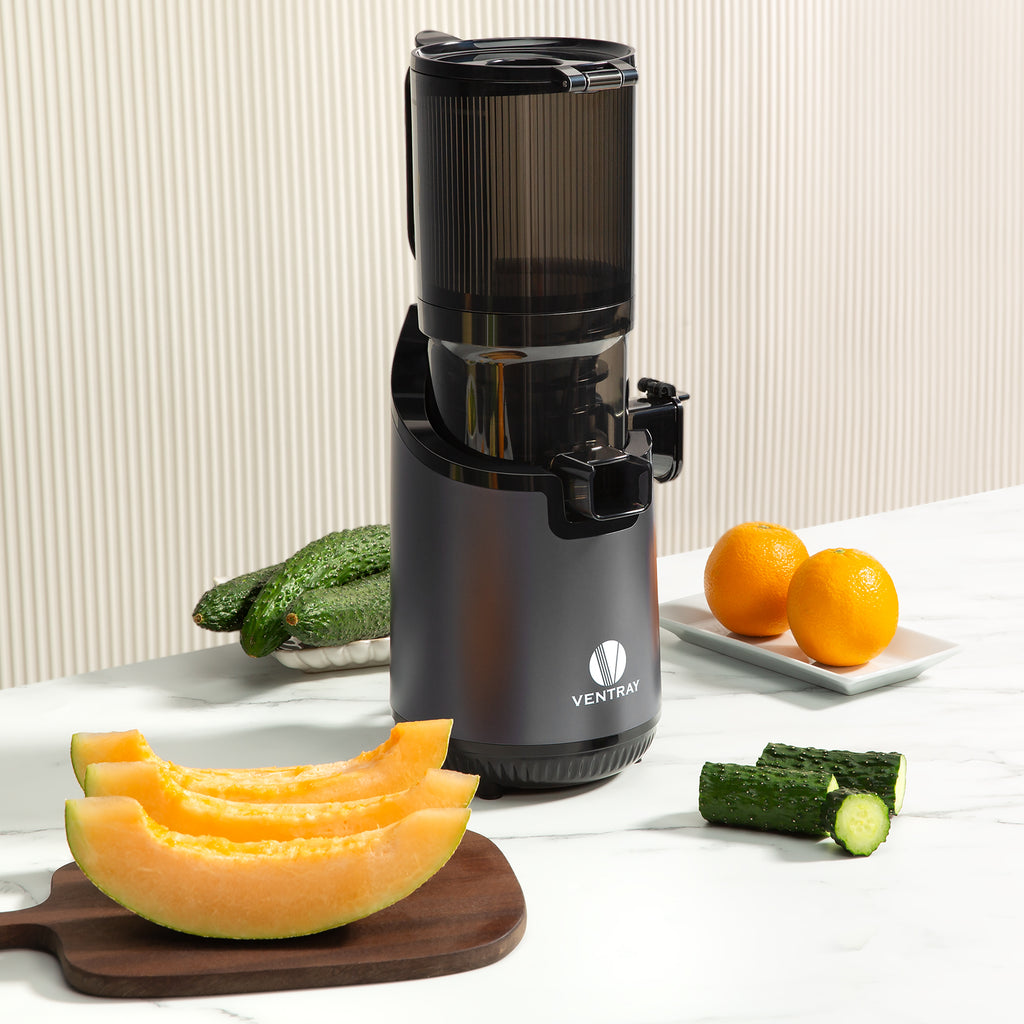
Creating your own turmeric juice is simple and allows you to control the ingredients. Peel and chop a small knob of fresh turmeric root, then juice it with a juicer and optional additions like lemon, orange or ginger. To enhance the flavor and increase curcumin absorption, add a pinch of black pepper. You can store the juice in the refrigerator for up to five days. If fresh roots are hard to find, dissolve half a teaspoon of ground turmeric in warm water with citrus and honey. Many people also enjoy turmeric in warm lemon water: mix hot water, lemon juice, a quarter‑teaspoon of turmeric and, if you like, ginger, honey and black pepper for an easy morning tonic.
Safety Tips and Side Effects
Despite its many virtues, turmeric isn’t risk‑free. High doses or concentrated supplements can lead to stomach pain, nausea or diarrhea. Curcumin may thin the blood, so those taking anticoagulant medications or preparing for surgery should be cautious. Turmeric can also lower blood sugar and may interact with diabetes medications. Rarely, excessive consumption has been linked to gallbladder issues, kidney problems or liver injury. If you have a sensitive stomach, lemon‑turmeric drinks could cause irritation, and the acid in lemon juice might erode tooth enamel. Moderation is key; many experts recommend limiting intake to about 500–1000 milligrams of turmeric per day, and consulting your healthcare provider before starting a daily shot, especially if you’re pregnant, breastfeeding or taking medications.
Final Thoughts
Turmeric juice isn’t just a wellness fad; it’s a flavorful way to tap into a rich tradition of natural healing. By delivering antioxidants, reducing inflammation and supporting everything from digestion to brain health, a daily turmeric shot can be a colorful addition to your health routine. Remember to enjoy it as part of a balanced diet and consult a medical professional if you have any concerns. Whether you blend it with citrus and ginger or sip it straight, the golden elixir offers a small but potent reminder that nature often knows best.