





10 Best Fruits and Vegetables for Juicing
Store-bought juices are convenient, but they can't beat the taste of juice made at home. If you want to try something new, here are 10 fruits and vegetables that make delicious fresh juice.
1. Beets
Beets aren't just striking in color—they have a rich, sweet-earthy flavor that stands out in juice. Alone, they can be a bit intense, but combined with fruits like apples or oranges, the taste becomes balanced and refreshing. Beet greens are also edible and add a fresh, slightly peppery kick to green juices.
Why they're great for juicing:
- Sweet-earthy flavor that blends well with fruits and vegetables
- Packed with natural nitrates, which can support healthy blood flow and energy
- Beet greens are nutrient-rich and also juiceable
A single cup (240 ml) of beet juice provides (1):
- Calories: 110
- Protein: 3 grams
- Carbs: 24 grams
- Sugar: 22 grams
- Sodium: 4.13%
- Potassium: 15%
- Iron: 2%
Beet juice is rich in antioxidants called betalains, which may help reduce inflammation and support overall cellular health. Its natural nitrates can enhance exercise performance and stamina, making it a perfect pre-workout choice.
Best Combinations:
Pairs wonderfully with apples, carrots, ginger, or citrus. Try beet–apple–lemon for a bright morning boost or beet–carrot–ginger for a post-workout revitalizer.
Summary:
Beet juice is vibrant, nutrient-packed, and energizing, making it an excellent base for both green and fruit-forward blends.
2. Apples
Apples are a juicing staple because they add natural sweetness without refined sugar and help balance stronger, sometimes bitter flavors like kale or celery. Their crisp, juicy taste brightens up any juice and makes it more approachable for beginners.
Why they're great for juicing:
- Naturally sweet, balancing bitter or earthy greens
- Available year-round, easy to find
- Versatile in nearly any juice combination
A single cup (240 ml) of apple juice provides (2):
- Calories: 110
- Carbs: 28 grams
- Sugar: 28 grams
- Potassium: 6%
- Iron: 4%
Apple juice also contains polyphenols, which support heart health and act as antioxidants. Though most fiber is removed during juicing, apples hydrate and provide a quick energy boost.
Best Combinations:
Apple works with almost every fruit or vegetable. Try apple–carrot, apple–kale–lemon, or apple–ginger–cucumber for a zesty twist.
Summary:
Apple juice adds sweetness, antioxidants, and energy, making it a versatile base for green or fruit-heavy blends.
3. Citrus (Orange Example)
Oranges are juicy, tangy, and naturally sweet, making them perfect for cutting through the earthy flavors of vegetables. Their bright, citrusy taste refreshes the palate and brings a lively aroma to your juice.
Why they're great for juicing:
- High in vitamin C and antioxidants
- Adds acidity to balance bitter vegetables
- Hydrating and refreshing
A single cup (240 ml) of orange juice provides (3):
- Calories: 110
- Protein: 2 grams
- Carbs: 25.5 grams
- Fiber: 0.5 grams
- Folate: 11%
- Potassium: 14%
- Vitamin C: 137%
- Vitamin A: 4%
- Vitamin B6: 7%
Oranges contain flavonoids that support immunity and help neutralize free radicals. Fresh orange juice is especially enjoyable as a morning boost or paired with heavier meals to aid digestion.
Best Combinations:
Great with carrots, beets, ginger, or spinach. Try orange–carrot–ginger for a tangy morning drink or orange–beet–lemon for a vitamin-packed blend.
Summary:
Orange juice delivers a potent dose of vitamin C and antioxidants, brightening flavors and supporting immunity.
4. Kale
Kale is one of the most nutrient-dense leafy greens you can juice. Though it yields less liquid than watery produce, the resulting juice is packed with vitamins A, C, K, and antioxidants. Its mild bitterness is easily balanced with sweeter fruits.
Why they're great for juicing:
- Extremely high in vitamins and antioxidants
- Works well in green detox-style juices
- Pairs nicely with apple or citrus to mellow flavor
1 serving of kale juice provides (approximate) (4):
- Calories: 283
- Carbs: 72 grams
- Fiber: 22 grams
- Sugar: 32 grams
- Vitamin A: 841μg
- Vitamin C: 281mg
- Vitamin K: 1071μg
Kale's antioxidants, like quercetin and kaempferol, help support heart health and reduce inflammation. Its high vitamin K content is essential for bone health and blood clotting.
Best Combinations:
Mix with apple, cucumber, lemon, pineapple, or ginger. Try kale–apple–lemon for a smooth green juice or kale–cucumber–ginger for a refreshing blend.
Summary:
Kale juice is a vitamin-packed powerhouse, perfect for green detoxes or nutrient-rich blends.
5. Carrots
Carrots are naturally sweet and full of beta-carotene, which the body converts to vitamin A for eye, skin, and immune health. Their mellow flavor makes them one of the easiest vegetables to juice.
Why they're great for juicing:
- Sweet, bright flavor that complements most fruits
- Rich in antioxidants, especially carotenoids
- Creates a smooth, orange-colored juice
A single cup (240 ml) of carrot juice provides (5):
- Calories: 70
- Protein: 1g
- Carbs: 16 grams
- Fiber: 2 grams
- Sugar: 13 grams
Carrot juice supports vision, skin, and immunity. It pairs well with nearly any fruit or vegetable and provides a mellow base for more complex juices.
Best Combinations:
Orange, apple, ginger, beet, or pineapple. Try carrot–orange–ginger for a morning boost or carrot–apple–celery for a balanced green juice.
Summary:
Carrot juice is sweet, nutrient-rich, and versatile, supporting health while enhancing flavor in many juice blends.
6. Cucumbers
Cucumbers are hydrating, light, and refreshing, making them a perfect base for any juice. Their subtle, clean taste balances stronger greens like kale or spinach and adds a smooth texture without overpowering other ingredients.
Why they're great for juicing:
- High water content keeps you hydrated
- Mild flavor complements stronger vegetables and fruits
- Refreshing, spa-like taste that works well in morning or post-workout juices
Half a cup of cucumber juice provides (approximate) (6):
- Calories: 7.8
- Protein: 0.3 grams
- Fiber: 0.3 grams
- Vitamin K: 11% DV
- Vitamin C: 2% DV
- Potassium: 2% DV
Cucumbers contain polyphenols with potential anti-inflammatory properties. They are ideal for juicing when you want a light, refreshing drink that pairs well with almost anything.
Best Combinations:
Apple, lemon, mint, spinach, celery, or pineapple. Try cucumber–apple–mint for a crisp morning juice, or cucumber–spinach–lemon for a green base that's both hydrating and nutrient-rich.
Summary:
Cucumber juice is low-calorie, hydrating, and versatile, enhancing other flavors without dominating your juice.
7. Celery
Celery juice has become popular for its crisp flavor and electrolyte content. It's light, refreshing, and perfect for cleansing juices.
Why they're great for juicing:
- High water content for hydration
- Mild, slightly salty flavor adds depth
- Combines well with lemon, apple, or cucumber
A single cup (240 ml) of celery juice provides (7):
- 33 calories
- 4 grams of fiber
- 2 grams of protein
- 189 milligrams of sodium
- 0 grams of fat
- 0 grams of cholesterol
- Carbohydrates: 7 grams
Celery contains antioxidants such as apigenin and luteolin, which may help reduce inflammation. Freshly pressed celery juice is often enjoyed first thing in the morning or as part of a green juice blend.
Best Combinations:
Apple, cucumber, lemon, carrots, or ginger. Try celery–green apple–lemon for a light, cleansing drink or celery–cucumber–ginger for a refreshing green juice.
Summary:
Crisp and light, celery juice offers hydration, antioxidants, and a subtle, savory flavor that complements most green blends.
8. Spinach
Spinach is softer and milder than kale, it is easy to juice and enjoy. Its delicate flavor mixes well with sweeter fruits, while still delivering a serious nutrient boost.
Why they're great for juicing:
- Mild taste that doesn't overpower juices
- Rich in iron, folate, vitamin K, and magnesium
- Works well with apples, pears, or pineapple
3.5oz of spinach juice provides (8):
- Calories: 19
- Protein: 1.8 grams
- Carbs: 3.4 grams
- Vitamin A: 8000 IU
- Vitamin C: 102 mg
- Iron: 1.3 mg
Spinach contains lutein and zeaxanthin, antioxidants that help support eye health. It also contributes to red blood cell formation and overall energy metabolism.
Best Combinations:
Apple, cucumber, pineapple, ginger, or lemon. Try spinach–apple–lemon for a nutrient-packed breakfast juice, or spinach–cucumber–pineapple for a refreshing, gentle green drink.
Summary:
Spinach juice is mild but nutrient-dense, supporting eye health, energy, and overall vitality.
9. Ginger
Ginger isn't typically the main ingredient, but a little goes a long way. It adds warmth, spice, and digestive support to juices.
Why they're great for juicing:
- Adds a spicy kick and depth of flavor
- Supports digestion and can reduce nausea
- Enhances sweeter and citrus-based juices
11 grams of ginger juice provides (9):
- Calories: 9
- Fat: 0g
- Sodium: 1.4mg
- Carbohydrates: 2g
- Fiber: 0.2g
- Sugar: 0.2g
- Protein: 0.2g
- Magnesium: 4.7mg
- Potassium: 45.6mg
Ginger contains gingerol, a compound with anti-inflammatory and antioxidant properties. It's especially effective when paired with citrus or carrot juice, creating a warming, digestive-friendly beverage.
Best Combinations:
Lemon, apple, orange, carrot, or beet. Try ginger–lemon shots for a morning boost, apple–ginger–cucumber for a refreshing snack, or carrot–orange–ginger for an immunity-supporting drink.
Summary:
Ginger juice is low-calorie but high in functional benefits, adding warmth, digestion support, and a spicy zing to juice blends.
10. Pears
Pears are often overlooked in juicing but are extremely useful. They provide a smooth texture, natural sweetness, and mild flavor that blends well with greens and other fruits.
Why they're great for juicing:
- Smooth, naturally sweet taste
- Gentle on the stomach
- High water content makes them easy to juice
A single cup of pear juice provides (10):
- Energy: 324kJ
- Protein: 0.1g
- Fiber: 4 grams
- Sugar: 15.7 grams
- Potassium: 156mg
Pears contain polyphenols that may help support heart health and reduce oxidative stress. Their mild sweetness balances stronger greens or tart citrus.
Best Combinations:
Spinach, cucumber, lemon, celery, or ginger. Try pear–spinach–lemon for a smooth green juice or pear–cucumber–ginger for a refreshing, nutrient-rich drink.
Summary:
Pear juice is gentle, naturally sweet, and antioxidant-rich, helping mellow stronger flavors while adding a smooth, pleasant texture.
Tips for Better Juicing
- Combine water-rich produce (cucumbers, oranges, celery) with denser items (carrots, greens) to increase yield.
- Drink juice shortly after making it for maximum nutrient retention.
- Wash produce thoroughly, especially if leaving skins on.
- Rotate ingredients regularly to get a wider mix of nutrients.
Potential Downsides of Juicing
Juicing is a great way to increase your intake of fruits and vegetables, but keep in mind:
- Lower fiber: Most fiber is removed, which helps stabilize blood sugar and support digestion. If you want to keep more fiber, you can always blend instead of juice, or stir some pulp back into your drink.
- High natural sugar: Fruit-heavy juices can spike blood sugar.
- Whole fruits and vegetables still matter: Juice should supplement, not replace, whole produce.
How to Juice
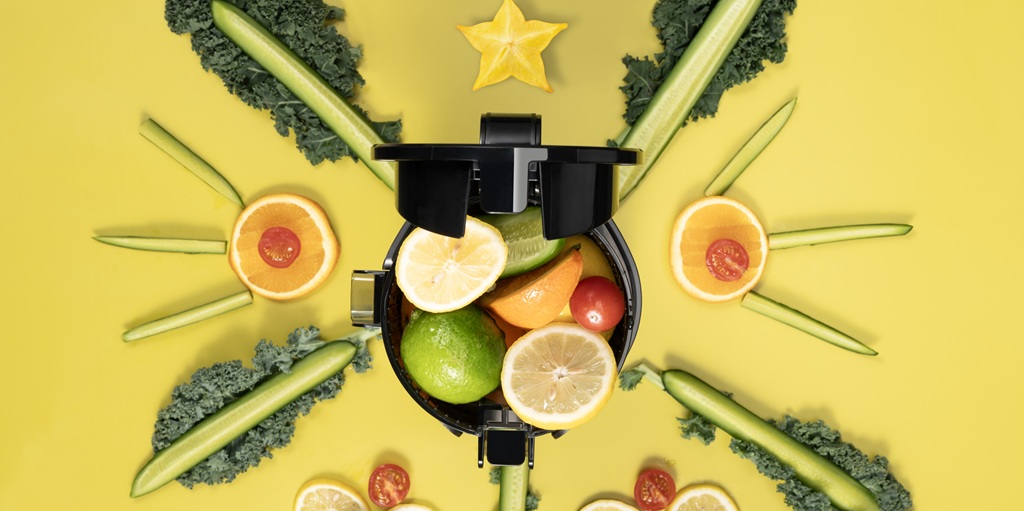
Juicing is pretty straightforward once you get the hang of it. Most ingredients only need a quick rinse and a rough chop before going into the juicer. Harder produce—like carrots, beets, or apples—usually goes in first so the juicer can build momentum, while softer fruits can follow to round out the flavor.
Leafy greens work better when they're packed together instead of tossed in loosely, and citrus tastes cleaner when the peel is removed. Ginger or lemon doesn't need much—just a small piece is enough to brighten the whole mix.
Every juicer feels a little different, but a good one keeps the process smooth and cuts down your prep time. When the machine handles both soft and firm ingredients without slowing down, the juice comes out fresher, cleaner, and a lot more consistent.