





Juicer vs. Blender: Which Appliance Fits Your Lifestyle?
Sitting at your kitchen counter with a glass full of vibrant colors feels like a small daily luxury. Whether you’re sipping a bright green juice or a creamy berry smoothie, both drinks promise a dose of produce in a convenient package. Yet the machines behind these beverages – juicers and blenders – work very differently. Understanding those differences will help you choose the right companion for your lifestyle.
What Does a Juicer Do?
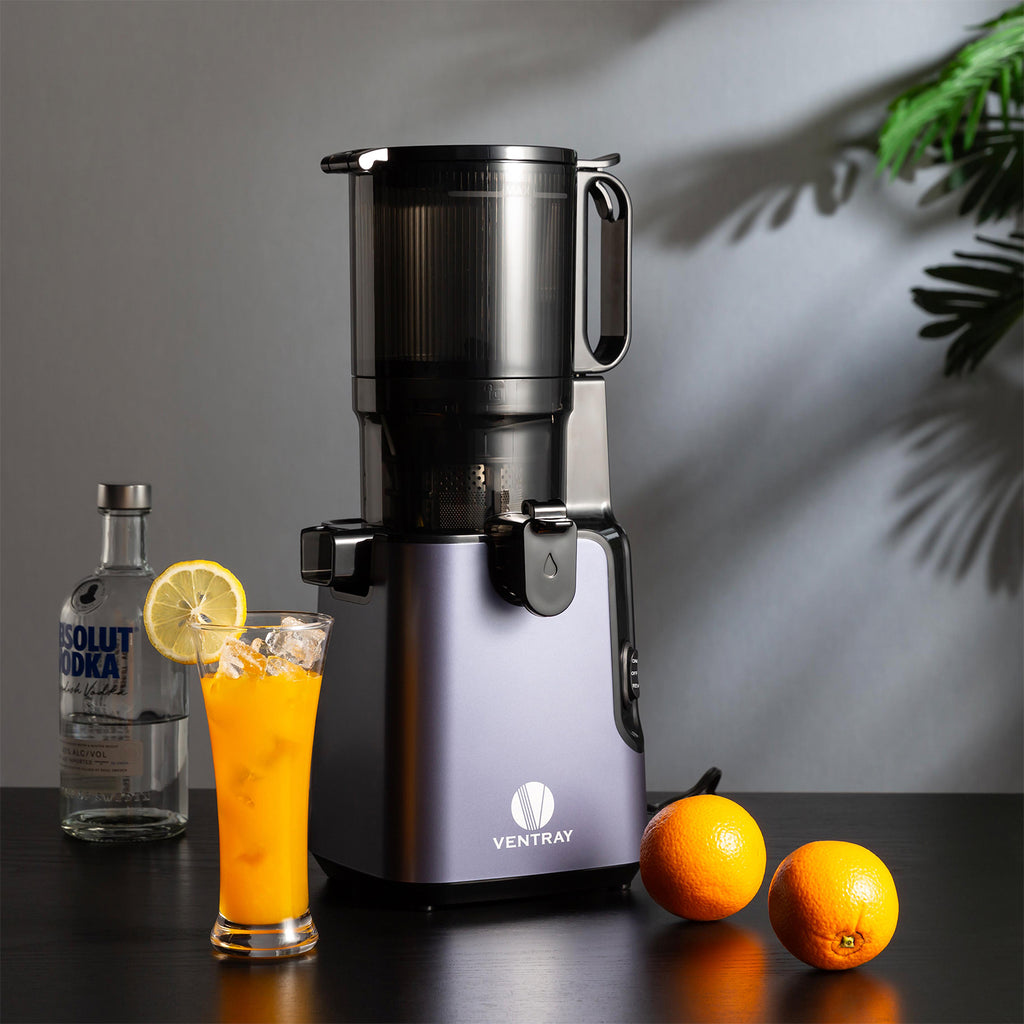
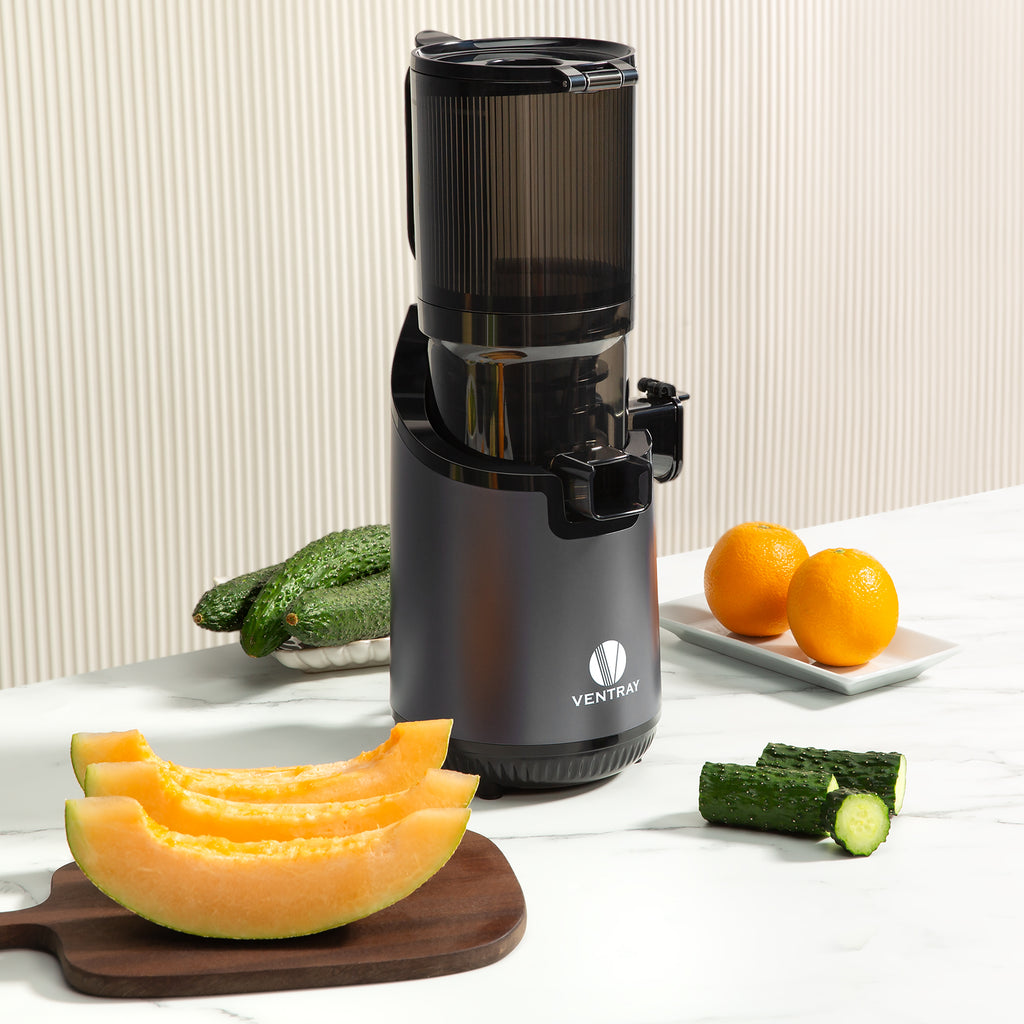
A juicer’s mission is singular: extract liquid from fruits and vegetables and leave the fiber behind. In centrifugal models, a rapidly spinning blade shreds produce and separates the juice through a mesh screen. Masticating (or cold‑press) juicers work more slowly, using an auger to crush and press produce for maximum extraction.
Pros of Juicers
· Quick nutrient delivery: Without fiber to slow digestion, vitamins and minerals from juice enter your bloodstream rapidly. This can feel like an instant energy boost after a workout or when you need a morning pick‑me‑up.
· Digestive ease: Juice is gentle on the stomach. People recovering from illness or dealing with digestive conditions often tolerate juice better than whole produce.
· Concentrated flavors and variety: A single glass can contain the juice of several vegetables; you can pack in kale, celery or beets that you might not otherwise consume. A juicer encourages experimentation with combinations you might not want to chew through.
· Hydration: Fresh juice delivers electrolytes and water along with nutrients, supporting hydration.
Cons of Juicers
· Loss of fiber: By design, juicers discard most of the pulp. Fiber supports digestion and helps regulate blood sugar and cholesterol. Without it, juice can spike your blood sugar more quickly.
· Less satiating: Because fiber triggers satiety, juice may leave you hungry soon after drinking.
· Sugar concentration: Juices made mostly of fruit can be high in natural sugars. People monitoring blood sugar or those with kidney issues should be cautious with high‑fruit juices.
· Cleanup and cost: Juicers have multiple parts and can take longer to clean than blenders. They also require more produce per serving, which increases grocery costs.
What Does a Blender Do?
A blender pulverizes whole fruits and vegetables into a thick, drinkable mixture. Countertop blenders handle larger batches and tough ingredients like frozen fruit or nuts, while personal blenders are designed for single servings, and immersion blenders blend soups right in the pot.
Pros of Blenders
· Fiber retention: Blending keeps all parts of the produce – pulp, skin and seeds. This fiber supports gut health, promotes regularity and slows sugar absorption. Retaining fiber helps regulate blood sugar and cholesterol.
· Satiety and weight management: Smoothies are filling because fiber triggers fullness. This makes blended drinks useful as meal replacements or for weight control.
· Versatility: A blender is the multitasker of your kitchen. Besides smoothies, it can make soups, sauces, dips and even grind grains or nuts. You can include protein powders, yogurt, nut butter or seeds for balanced nutrition.
· Improved nutrient availability: Blending breaks down cell walls, making some nutrients like the antioxidant lycopene in tomatoes more bioavailable.
· Easier cleanup: Most blenders have fewer parts; a quick rinse often suffices.
Cons of Blenders
· Thicker texture: Smoothies are hearty, which some people may find less refreshing than clear juice. You may also need to drink more volume to match the nutrient content of a small glass of juice.
· Potential for excess calories: Because blended drinks retain all components, it’s easy to pack in high‑calorie ingredients (nuts, oils, sweet fruits) without noticing. Sweet smoothies can still raise blood glucose if they rely heavily on fruit.
· Reduced chewing: Drinking your meals means missing out on the oral health benefits of chewing, and very sweet smoothies can be consumed quickly, bypassing fullness cues.
How to Decide Which Appliance Suits You
The right choice depends on your goals, lifestyle and taste preferences. Consider the questions below when making your decision:
|
Decision factor |
Juicer |
Blender |
|
Goal |
Quick nutrient shots, detox programs, sensitivity to fiber |
Meal replacement, overall nutrition, weight management |
|
Digestive needs |
Ideal when your stomach needs a break |
Supports gut health with fiber |
|
Desired texture |
Light, clear liquid |
Thick, creamy beverage |
|
Time & cleanup |
Takes more prep and cleaning |
Generally faster to prepare and clean |
|
Versatility |
Primarily produces juice |
Makes smoothies, soups, sauces and more |
|
Storage & cost |
Requires more produce per serving and often more countertop space |
Typically requires less produce; high‑powered models can be pricey but versatile |
Lifestyle Considerations
1. Health Goals: If you’re gearing up for a short juice cleanse or need rapid nutrient absorption after intense workouts, a juicer delivers concentrated vitamins without fiber. For everyday nourishment, the sustained energy and digestive benefits of smoothies make a blender attractive.
2. Budget & Produce Use: Juicing demands more fruits and vegetables to fill a glass, which can increase grocery bills. Blending uses whole produce, stretching your ingredients further. However, high‑powered blenders can carry a higher upfront cost than entry‑level juicers.
3. Time & Convenience: A blender generally wins on speed and cleanup. If you’re often rushing out the door, blending a smoothie can be quicker. Juicers may require chopping produce and cleaning multiple parts, which suits leisurely weekend routines rather than hectic mornings.
4. Culinary Creativity: Do you enjoy experimenting with soups, nut milks or dips? A blender will serve you well. If you crave pure vegetable juices and enjoy the ritual of juicing, then a dedicated juicer will feel satisfying.
5. Taste Preferences: Some people love the refreshing quality of a clear juice, while others prefer the creaminess and satiety of smoothies. Taste and texture can be the deciding factor.
Can You Have Both?
Many health enthusiasts use both appliances. A juicer provides quick bursts of nutrients and hydration, while a blender creates satisfying meals and snacks. For example, you might juice leafy greens with a juicer in the morning and blend a protein‑rich smoothie in the afternoon. Owning both isn’t essential, but it lets you tailor your drinks to your day’s demands.
Final Thoughts
Juicers and blenders each bring unique benefits to your kitchen. A juicer strips fruits and vegetables down to their essence, offering a clean, concentrated elixir of vitamins and minerals. A blender keeps everything together, delivering fiber‑rich, filling beverages and a host of other culinary creations. Whichever you choose, you’ll be investing in a healthier habit of enjoying more produce.