





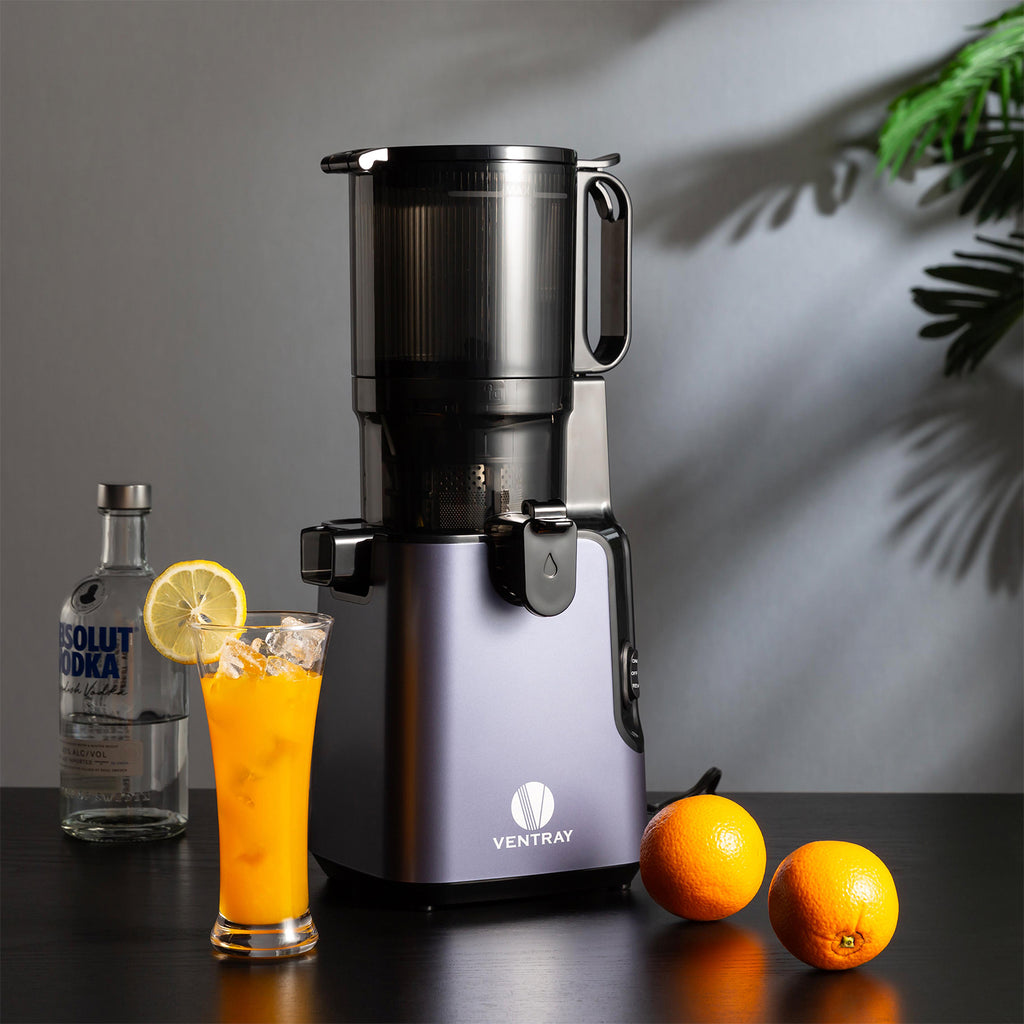
Can Orange Juice Sober You Up?
Waking up after a big night out often comes with an urgent question: how do I get rid of this alcohol in my system? Friends might swear by greasy breakfasts, raw eggs in a glass of orange juice or shots of espresso. Among these home remedies, orange juice has a special place – some swear it can “soak up” alcohol or speed up recovery.
Understanding how the body sobers up
Before tackling whether orange juice helps, it’s important to understand what sobering up really involves. When you drink, alcohol is absorbed through the stomach and small intestine and travels via the bloodstream to the brain and other tissues. The liver does most of the work of breaking alcohol down. It produces enzymes that convert ethanol into acetaldehyde and then into acetate, which is eventually eliminated from the body. This process is slow – many health educators point out that the average liver can metabolize roughly one standard drink per hour, and no amount of coffee, cold showers or special foods will change that rate. In other words, time is the only factor that reduces blood alcohol concentration; you cannot “neutralize” or “absorb” alcohol with a food or beverage, and quick‑fix strategies like caffeine or vomiting simply make you feel more alert without reducing alcohol in your system.
Because the liver’s metabolic capacity is limited, all of the tricks people use after a night of heavy drinking only address symptoms. Drinking water can help combat the dehydration that accompanies alcohol use. Eating something before or while drinking slows the absorption of alcohol in the stomach, delaying intoxication but not accelerating sobriety. These measures may help you feel a bit better, but they don’t change how fast your liver clears alcohol.
Where the orange juice myth comes from
So why do some people recommend orange juice? There are a few reasons:
- Vitamin C and B‑vitamins. Orange juice is high in vitamin C and contains natural sugars. The liver uses nutrients to carry out its detoxifying role, and vitamin C plays a part in neutralizing free radicals. Some wellness writers suggest that fruit juices high in vitamins C and B can “assist the liver” in flushing out toxins. Medical resources note that hydration and nutrient intake support overall recovery, and orange juice provides both water and natural sugar. This can help replenish blood sugar and fight fatigue, which might explain the perceived boost.
- Fructose and energy. The simple sugar in orange juice (fructose) can give a quick energy lift when you’re feeling weak or groggy. That doesn’t mean it is metabolizing the alcohol; it’s simply providing calories and raising blood sugar levels, which may have dropped during the night.
- Congeners and mixing drinks. Some research on hangovers has focused on congeners, by‑products of fermentation that can worsen hangover symptoms. Vodka contains fewer congeners than darker spirits like bourbon or brandy, and one study noted that mixing vodka with orange juice may help neutralize congeners. This practice, however, applies to the drink while you’re consuming it, not after you’re intoxicated. It also doesn’t change how quickly the liver processes ethanol.
These factors have helped fuel the belief that a glass of orange juice will fix everything. They’re partially based on kernels of truth – vitamins and sugars do support normal physiology – but they conflate symptom relief with actually lowering blood alcohol levels.
What the evidence says
Modern health guides consistently stress that no beverage or food can sober you up quickly. A reputable clinical article on sobering up fast explains that hydration, eating, exercising or sleeping might help you feel more alert, but nothing significantly lowers blood alcohol content besides time. Another medically reviewed resource notes that fruit juices high in vitamins C and B can assist the liver in its normal detoxification, yet makes clear that these drinks only help remove alcohol from the body as part of your natural metabolic processes – they do not circumvent metabolism or instantly drop your blood alcohol concentration.
Other sources actively discourage relying on citrus juice as a cure. A medical myth‑busting post points out that numerous supposed hangover remedies, from raw eggs in orange juice to various pills, have been tested without finding any definitive cure. Drinking plenty of water and taking an over‑the‑counter pain reliever might help relieve discomfort, but an acidic drink like orange juice could irritate an already upset stomach. A separate health article evaluating hangover foods notes that although fructose in juice can give you an energy boost, orange juice’s acidity may exacerbate nausea or stomach irritation after heavy drinking.
Educational materials from universities also emphasize that caffeine, vitamin shots or cold showers do not speed up alcohol metabolism. They remind students that only time will sober you up, and that drinking water and resting are the safest ways to ride out the aftereffects. Another article debunking common sobriety myths echoes this message: coffee might make someone feel more awake, but it has no effect on the body’s ability to metabolize alcohol.
Potential benefits and drawbacks of orange juice
While orange juice won’t magically make you sober, that doesn’t mean it’s useless. There are a few points to consider:
- Hydration: Alcohol is a diuretic that causes increased urination and fluid loss. Rehydrating with water or diluted fruit juice helps replace fluids and electrolytes. Orange juice contains potassium, an electrolyte that can support hydration, and its high water content can contribute to overall fluid intake.
- Nutrients: Vitamin C and some B‑vitamins support immune function and cellular repair. Replenishing these nutrients after drinking may help your body recover and reduce oxidative stress. However, you can obtain these vitamins from other sources as well, and they won’t hasten the breakdown of ethanol.
- Natural sugar: Fructose can help raise blood sugar levels, reducing shakiness or fatigue associated with low blood sugar after a night of drinking. Yet too much sugar may worsen dehydration or contribute to digestive discomfort.
- Acidity: Orange juice is acidic. After drinking, your stomach lining may already be irritated by alcohol and increased acid production. For some people, acidic beverages can worsen nausea or acid reflux. If you’re already feeling queasy, you might prefer water or a bland electrolyte drink instead.
- Avoid mixing with alcohol: Some studies have looked at the combination of vodka and orange juice to reduce congener content, but nutritionists warn against mixing orange juice with alcohol in large amounts. One review on hangover prevention advises against consuming fresh orange juice alongside alcohol because the combination can increase stress on the liver. In other words, using orange juice as a chaser or mixer won’t spare you from a hangover and might create more problems.
So, can orange juice sober you up?
In short: No, orange juice cannot sober you up. Only your body’s natural metabolic processes, primarily carried out by the liver, can lower your blood alcohol concentration, and those processes take time. Drinking orange juice may help in other ways – it offers hydration, replenishes some nutrients, and delivers a quick energy boost. However, these benefits do not speed up alcohol metabolism. In some cases, the acidity of orange juice may irritate your stomach, and mixing it with alcohol could even cause harm.
If you’ve had too much to drink, the best things you can do are stop drinking, hydrate with water, eat something light to maintain blood sugar, and rest. The only way to sober up is to wait and let your liver do its job. The best way to avoid hangovers and the need for questionable remedies is to drink responsibly, pace yourself, and never rely on quick fixes when it comes to alcohol.