





Is Cranberry Juice Good for You?
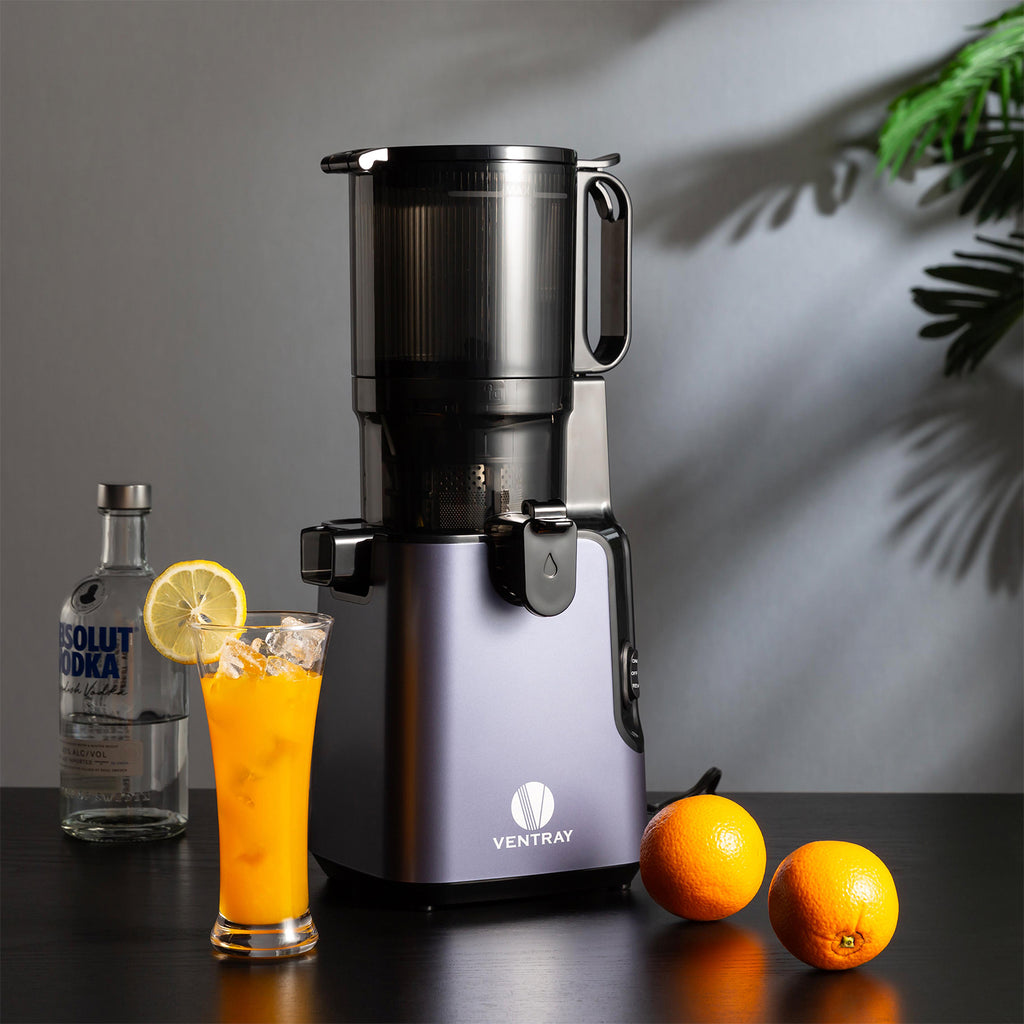
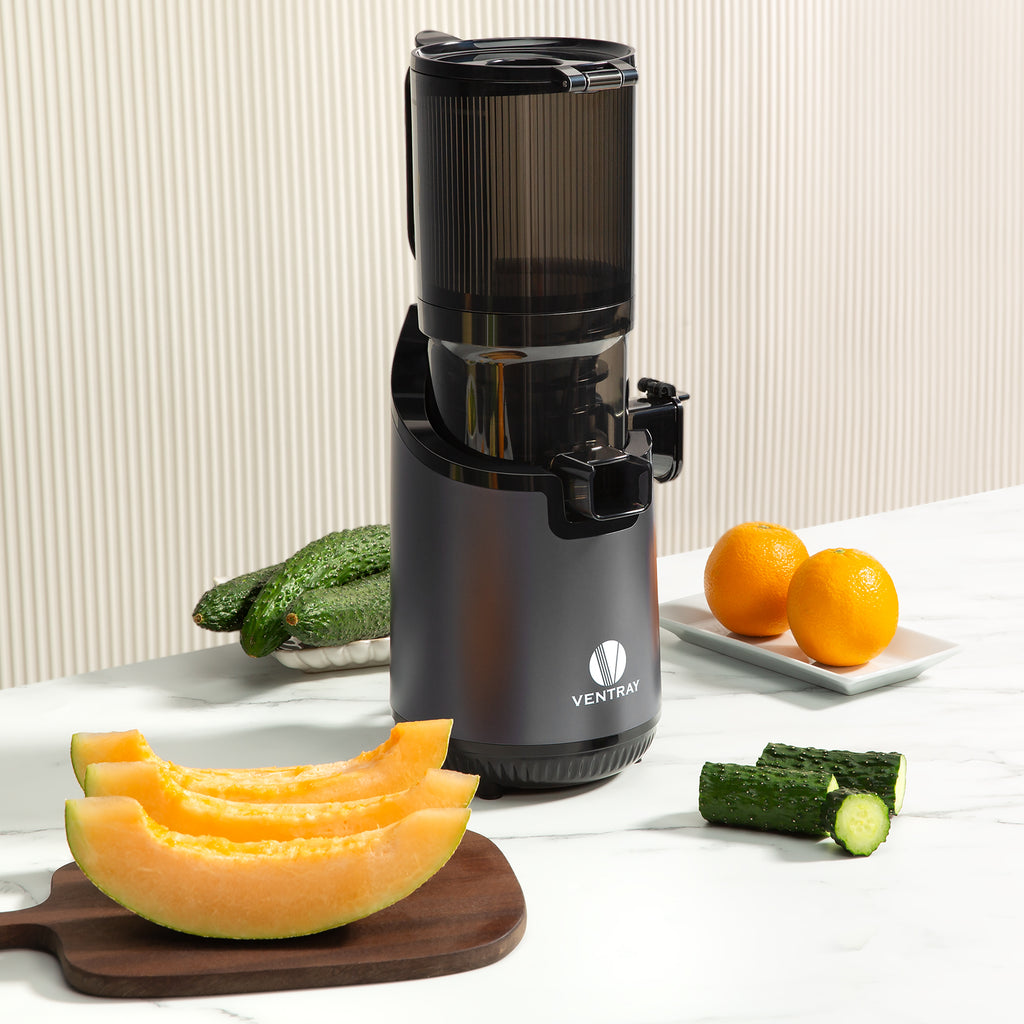
As someone who loves experimenting with my juicer, I rarely stick to the same fruit twice in a week. Apple, carrot and beetroot juices have been the mainstay of my morning routine, but one day those glossy, ruby‑red cranberries at the farmers’ market caught my eye. Their tartness made me curious. Could these tiny berries really be as powerful as people claim? This question — and a bit of trial and error with my juicer — sparked a deeper dive into the science of cranberry juice and its potential benefits.
What’s in a Cranberry?
Cranberries (Vaccinium macrocarpon) are small berries native to the U.S. and Canada and are closely related to blueberries and huckleberries. They grow in low‑lying, vine‑like shrubs and are often water harvested. When the berries float on the bog’s surface, they are exposed to more sunlight, which may increase their nutritional value. Their deep red colour comes from anthocyanins, a group of pigments with antioxidant properties.
If you stroll down the juice aisle, you’ll see three common forms:
1. Fresh cranberries – perfect for running through a juicer if you’re into making homemade blends. Whole berries contain more antioxidants because most compounds are in the skins.
2. 100 % cranberry juice – often labelled “unsweetened” or “100 % juice.” This is just pressed cranberries (sometimes mixed with other juices), with no added sugar.
3. Cranberry juice cocktail/drink – has added sweeteners or high‑fructose corn syrup. These cocktails usually contain only a small amount of actual cranberry juice and do not offer the same benefits.
Nutrition Snapshot
A single eight‑ounce glass of unsweetened cranberry juice packs a surprising nutritional punch:
· Vitamin C (≈26 % DV) and Vitamin E (≈20 % DV), strong antioxidants that protect cells from free radicals and help form blood vessels, cartilage and skin.
· Minerals: potassium (~195 mg), phosphorus (~33 mg), calcium (~20 mg) and magnesium (~15 mg) per cup.
· Phytonutrients such as myricetin, peonidin, anthocyanins, proanthocyanidins and quercetin.
This means that even without the fiber of whole berries, cranberry juice still delivers essential vitamins and plant compounds.
Potential Health Benefits
1. Supporting Heart Health
Polyphenols and anthocyanins in cranberries may help stop plaque from building up inside arteries. A 2021 study mentioned by Medical News Today had participants drink 500 mL of cranberry juice daily for eight weeks; they experienced a significant reduction in diastolic blood pressure, even though LDL (“bad”) cholesterol particle size increased. While results are not uniform across all studies, the antioxidants in cranberries may help lower cholesterol levels and blood pressure, supporting cardiovascular health.
2. Lowering the Risk of Urinary Tract Infections (UTIs)
Cranberries contain A‑type proanthocyanidins (PACs) that may stop E. coli and other bacteria from sticking to the bladder wall. When bacteria can’t attach, they are more easily flushed away. The National Center for Complementary and Integrative Health notes that cranberry products may reduce the overall risk of recurrent UTIs in women by about 25 %, though results are inconsistent. Importantly, cranberry is not a treatment for active UTIs — antibiotics are still needed for that.
A 2024 review of clinical trials reported that daily cranberry products only reduce UTIs when used continuously for 12–24 weeks. So if you’re prone to UTIs, drinking cranberry juice or taking cranberry supplements consistently may be helpful. However, you need about 36 mg of PACs per day to make a difference; most commercial juices don’t list the PAC content, which makes dosing tricky.
3. Digestive and Gut Health
Compounds in cranberries may stop Helicobacter pylori (H. pylori) bacteria from attaching to the stomach lining. H. pylori infections can cause ulcers and increase stomach cancer risk. A 2016 study found that a high‑polyphenol cranberry beverage improved risk factors for heart disease and may improve the composition of gut microbiota. Other research suggests that cranberry phytochemicals can inhibit H. pylori and support digestive health.
4. Antioxidants and Immune Support
Cranberries are loaded with antioxidants such as vitamin C, vitamin E and quercetin. Antioxidants neutralize free radicals, reducing oxidative stress, which is linked to cancer, diabetes and heart disease. Vitamin C also aids iron absorption and collagen production. Researchers at the University of Florida found that cranberry juice reduced cold and flu symptoms, indicating potential immune‑supporting effects.
5. Postmenopausal and Vaginal Health
Research suggests cranberries may improve the balance of bacteria in the vagina, which can help relieve dysbiosis after menopause. Some sources also mention that antioxidants in cranberries could ease menstrual cramps and help slow bone loss after menopause, though these findings need further investigation.
Juicer vs. Store‑Bought: Making Cranberry Juice at Home
My first experiment involved tossing fresh cranberries into a cold‑press juicer. The result? A tart, vibrantly coloured liquid that tasted nothing like the syrupy cranberry “cocktail” I grew up with. Here’s what I learned:
· Whole berries vs. store‑bought: Most antioxidants are in the skin. Juicing at home with a high‑quality juicer allows you to extract juice without heating, preserving more nutrients. Store‑bought juices often lack skins and can contain added sugars.
· Taste and blending: Pure cranberry juice is extremely tart. I found it easier to enjoy by blending cranberries with apples, oranges or pears. A juicer handles this well, creating a balanced drink.
· Control over sugar: When you use a juicer, you decide how sweet to make the juice. Many commercial juices are sweetened to the point that they deliver as much sugar as soda, which can negate health benefits. If you buy juice, look for labels that state “100 % juice” and avoid cocktails.
If you don’t own a juicer, you can blend cranberries with a little water and strain the mixture through a fine sieve. It won’t be as clear as store‑bought juice, but you’ll keep more of those precious polyphenols.
Potential Drawbacks and Safety Considerations
While cranberry juice has plenty of upsides, it’s not perfect:
· Added sugar and calories: Sweetened cranberry juice cocktails can spike your blood sugar. Always read the label and choose unsweetened varieties or make your own.
· Stomach upset and diarrhea: Drinking large amounts of cranberries or cranberry juice can cause diarrhea or an upset stomach, especially in children.
· Medication interactions: Cranberry juice may interact with certain medications, particularly blood thinners like warfarin, proton pump inhibitors and H2 blockers. If you take these medications, consult your doctor before adding large amounts of cranberry juice to your diet.
· Kidney stones: People prone to kidney stones should avoid cranberry juice because its acidity can contribute to stone formation. Those taking statins, allergy medications or with conditions like diabetes or irritable bowel syndrome should also speak with a healthcare provider.
· UTI treatment: Cranberry products can’t cure an existing UTI. If you suspect a UTI, see a doctor for proper treatment.
Moderation is key. WebMD suggests drinking no more than one eight‑ounce glass of cranberry juice per day. That’s enough to enjoy the benefits without overloading on calories or sugar.
Final Thoughts
After months of tinkering with my juicer, I’ve come to appreciate cranberry juice for what it is: a tangy, nutrient‑rich beverage with potential health perks, not a miracle cure. Making your own juice lets you enjoy the fresh tartness of cranberries without added sugars and gives you full control over your drink’s flavour and nutrition. Research shows that cranberry juice may support heart health, reduce the risk of recurrent UTIs, protect your digestive system and deliver powerful antioxidants. Yet it’s just one part of a balanced diet.
So the next time you pass by those ruby‑red berries, consider picking up a bag. Toss a handful into your juicer with an apple or orange for sweetness, and savour the vibrant result. Your tastebuds — and maybe your bladder — might thank you.